Abstract Grey Brown Pattern: A Designer Review
As a designer who has spent years translating digital files into tangible thread, I approach every new asset with a critical eye. When I first opened the file for Abstract Grey Brown Pattern, I wasn't just looking at a collection of shapes; I was visualizing how this would translate through my machine's needle. This design sits comfortably in the Patterns category, offering a stylish abstract geometric background that feels both modern and timeless. The description highlights its potential as a seamless pattern for page fills or wallpaper, but for us in the embroidery world, the real question is always about texture, stitch density, and how it performs on actual fabric.
The Mood and Visual Personality of the Design
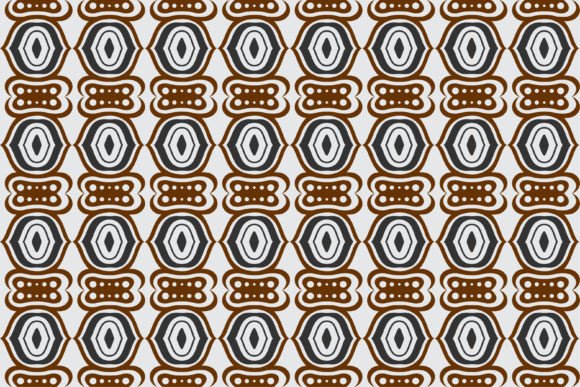
The immediate impression of Abstract Grey Brown Pattern is one of grounded sophistication. It leans heavily into an ethnic, native, tribal, and boho motif, drawing inspiration from Aztec textile fabrics, African American artistry, and intricate mandalas. Unlike some designs that scream for attention with neon colors or chaotic lines, this piece whispers elegance. The interplay between grey and brown tones suggests a neutral palette that is incredibly versatile for small business owners and Etsy sellers looking to create products that appeal to a wide demographic without being overly trendy.
Visually, the layout is balanced yet dynamic. The geometric elements are sharp enough to hold their own against a busy background but soft enough to avoid looking rigid. As a Graphics asset, it functions well as a standalone statement or as a subtle background element. For those of us creating custom apparel or boutique merchandise, this kind of visual personality is gold. It adds a layer of cultural depth and artistic flair that elevates a simple tote bag or pillow cover into a conversation starter.
Real-World Application: From File to Finished Product
Let me walk you through a recent scenario where I considered using Abstract Grey Brown Pattern. I was preparing a line of personalized gifts for a local craft fair, specifically focusing on heavy-duty canvas tote bags and heavyweight sweatshirts. The goal was to create items that felt premium and handmade, suitable for a boutique shop product lineup.
When I loaded the machine embroidery design into my software, I immediately thought about the stitch density. Geometric patterns can sometimes suffer from "tunneling" if the fill stitch isn't programmed correctly. However, the structure of this design seemed robust. I imagined the fill stitch creating a textured surface that mimics the look of woven carpet or traditional textiles. On a thick cotton sweatshirt, this would provide a tactile quality that customers love to touch. The satin stitch outlines, if present in the vector conversion, would need to be carefully managed to ensure they don't pucker on the stretchy fabric of a hoodie.
I also visualized this design on a nursery blanket or a baby item. The earthy tones of grey and brown are soothing and gender-neutral, making it perfect for baby embroidery projects. Imagine a plush blanket with this pattern stitched along the border or as a large central motif. The ethnic native tribal boho motif fits perfectly into the current trend of organic, nature-inspired nursery decor. It creates a sense of warmth and heritage, which parents often seek when buying personalized gifts for newborns.
Best Use Cases for Your Craft Business
- Custom Apparel: Ideal for sweatshirt embroidery on the back or chest, provided the hoop size accommodates the repeat.
- Tote Bag Design: Works beautifully as a full-body print or a centered panel on canvas totes.
- Home Decor: Perfect for pillow covers, tea towels, and kitchen aprons where texture adds value.
- Embroidered Patch: Can be adapted into a unique patch for denim jackets or backpacks.
- Holiday Embroidery: The neutral palette makes it excellent for year-round holiday gifts that aren't tied to a specific season.
Navigating Challenges: Where Caution is Needed
While Abstract Grey Brown Pattern is a strong contender for many projects, it is not a magic bullet for every situation. As an experienced reviewer, I must highlight where this design requires extra care. First, consider the hoop size. If you are attempting to use this as a seamless background, you need a large hoop or the ability to jump hoops seamlessly. Trying to force a complex geometric pattern into a tiny 4x4 inch hoop might result in lost details or a crowded look.
Fabric choice is equally critical. On thin or highly stretchy fabrics, dense geometric fills can cause distortion. If you plan to use this on a fitted cap or a curved surface, test the design first. The sharp angles of the Aztec-style motifs might struggle to lay flat on a rounded crown without significant adjustments to the underlay. Additionally, while the grey and brown tones are beautiful, they rely on contrast. Using this design on dark fabric might require lighter thread colors to ensure the thread colors pop, whereas on light fabric, the darker shades will stand out naturally.
Another consideration is the washing durability of the finished product. Dense fill stitch areas can become stiff after multiple washes. If you are selling these as commercial embroidery items that will see frequent use, like aprons or dish towels, ensure you advise your customers on proper care. The stiffness might actually add a structured feel to a tote bag, but it could be uncomfortable on a baby onesie.
Practical Notes for the Professional Designer
Before committing to a batch production run or listing this as a digital product, there are several steps I recommend. Always test the embroidery file on scrap fabric first. This allows you to check the stitch density and ensure that the running stitch elements don't leave gaps. Pay close attention to the color separation; sometimes, what looks great on a screen needs adjustment in thread selection to achieve the desired grey and brown gradient effect.
If you are an Etsy seller or running a small shop product line, consider creating printable mockups to showcase how the design looks on different items before stitching them. This helps manage customer expectations and boosts buyer engagement. Also, verify the licensing terms. While the description mentions it is for design and wallpaper, confirm whether you can sell the finished embroidered goods or if there are restrictions on using it for commercial embroidery projects.
Finally, think about the stabilizer. Complex patterns like Abstract Grey Brown Pattern often benefit from a cut-away stabilizer to support the weight of the thread, especially on knits. Don't skimp here; a good stabilizer ensures the finished product looks professional and maintains its shape over time.
Final Verdict on Value and Appeal
In conclusion, Abstract Grey Brown Pattern offers significant value for designers seeking to add a touch of modern boho chic to their portfolios. Its ability to bridge the gap between traditional tribal aesthetics and contemporary geometric design makes it a standout asset. Whether you are creating a personalized gift, a custom apparel piece, or expanding your catalog of digital design assets, this pattern provides a solid foundation for creativity.
It enhances the visual appeal of any project, adding depth and character that mass-produced items lack. For the craft entrepreneur, using a design like this signals professionalism and attention to detail, fostering customer trust and brand consistency. Just remember to respect the technical requirements of the design, test thoroughly, and choose your fabrics wisely. With the right execution, Abstract Grey Brown Pattern can become a signature element in your handmade collection, turning simple threads into a story of style and culture.