Arab Couple Having Coffee Dark Pattern Review
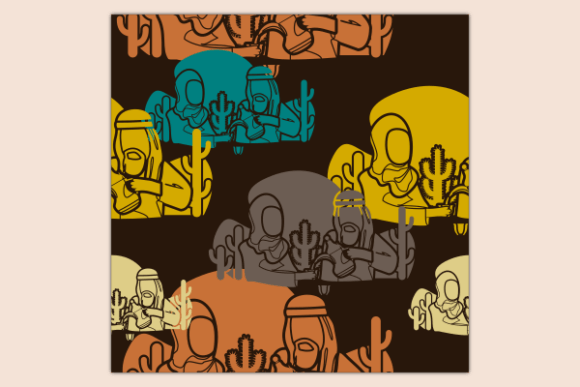
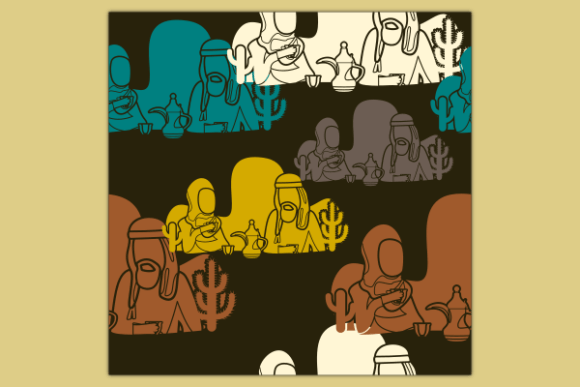
As a designer who has spent years navigating the intersection of digital graphics and physical stitching, I approach every new machine embroidery design with a specific set of questions. Does it translate well from screen to fabric? Will the stitch definition hold up under scrutiny? And most importantly, does it tell a story that resonates with the end user? Today, I am evaluating the Arab Couple Having Coffee Dark Pattern, an editable SVG vector described as a flat monochrome style illustration featuring an Arab couple enjoying Arabic coffee with a traditional dallah pot and finjan cups. This piece is categorized under Patterns and Graphics, but its potential for real-world application goes far beyond a simple background file.
The First Impression: Mood and Visual Weight
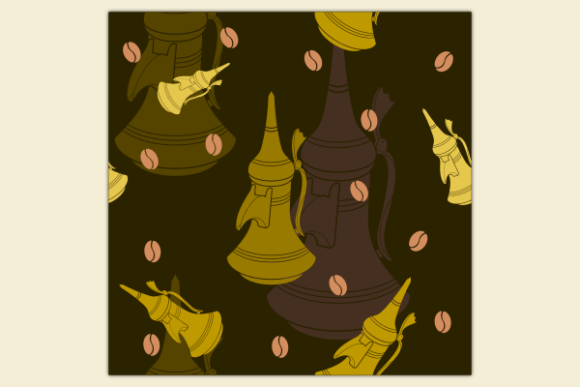
When I first opened the file to review the Arab Couple Having Coffee Dark Pattern, the immediate impact was one of sophisticated warmth. The flat monochrome style against a dark background creates a striking silhouette effect. In the world of embroidery, where thread texture plays a massive role, high-contrast designs often yield the most professional results. The depiction of the couple sharing coffee evokes a sense of community, tradition, and hospitality—themes that are incredibly powerful in textile art. The inclusion of the dallah pot and finjan cups adds cultural specificity that elevates this from a generic coffee motif to a meaningful narrative element.
However, the "seamless pattern" aspect requires careful consideration. While seamless patterns are excellent for large surface areas like pillow covers or blankets, they can sometimes lose their charm if the repeat unit is too small or if the negative space isn't managed correctly during digitization. For a project involving custom apparel, such as a heavy cotton sweatshirt or a structured tote bag, this design offers a rich visual anchor. The dark background suggests that this embroidery file would perform best on lighter fabrics where the contrast is maximized, or potentially as a reverse applique design where the dark fabric shows through cutouts.
Real-World Application: From Tote Bags to Boutique Merchandise
Let's imagine a practical scenario. You are an Etsy seller preparing a holiday collection of personalized gifts. You decide to create a series of premium canvas tote bags featuring Middle Eastern-inspired motifs. The Arab Couple Having Coffee Dark Pattern becomes the centerpiece of your tote bag design. Because the illustration is flat and stylized, it avoids the common pitfall of overly complex shading that can look muddy when stitched. Instead, you can utilize solid fill stitch techniques to render the dark shapes cleanly.
In this context, the design works beautifully as a large-scale back print on a tote bag or as a bold chest logo on a sweatshirt embroidery project. The cultural elements resonate deeply with customers looking for authentic, respectful representations of heritage. For a craft business owner, this type of imagery can significantly boost brand consistency. It signals that your shop values storytelling and quality over mass-produced trends. If you were creating a personalized gift for a wedding or a housewarming party, this motif serves as a conversation starter, celebrating the universal act of sharing coffee.
For those interested in home decor, the seamless nature of the pattern makes it ideal for pillow covers or kitchen towels. Imagine a linen tea towel with this pattern repeated subtly across the fabric. The flat style ensures that the stitch density remains manageable, preventing the fabric from puckering—a common issue with dense, dark fills. However, if you plan to use this on stretchy fabrics like jersey knit for baby clothes, you must be cautious. The rigid nature of a dark, filled pattern might restrict the fabric's natural drape unless you use a very lightweight stabilizer and adjust the tension settings carefully.
Navigating Technical Challenges and Fabric Choices
While the aesthetic appeal is strong, the technical execution of the Arab Couple Having Coffee Dark Pattern demands attention to detail. One of the primary concerns with any dark background pattern is the sheer volume of thread required. A large area of dark fill can become heavy, leading to stiffness in the finished product. To mitigate this, I recommend testing the design on scrap fabric first. Check how the machine handles the transition between the dark background and the lighter elements of the couple and coffee pots.
If you are using this as an applique design, consider cutting out the dark shapes from black felt or wool and stitching them onto a lighter base fabric. This technique reduces thread usage while maintaining the visual impact of the monochrome style. Alternatively, if sticking to standard embroidery, ensure your hoop size accommodates the full width of the pattern repeat without distorting the figures. Small hoop sizes might truncate the image, breaking the flow of the seamless pattern and making the couple appear cramped.
Fabric texture also plays a critical role. On textured fabrics like tweed or heavy denim, the fine details of the finjan cups might get lost. In these cases, simplifying the digitized version by increasing the line weight slightly can improve visibility. Conversely, on smooth cottons or linens, the crisp edges of the flat illustration will shine. Always remember to use the proper stabilizer; for dark fills on medium-weight fabric, a tear-away stabilizer usually suffices, but for stretchy materials, a cut-away is essential to maintain the shape of the custom apparel after washing.
Design Integrity and Commercial Viability
From a commercial perspective, the Arab Couple Having Coffee Dark Pattern holds significant value for Etsy sellers and boutique owners. The uniqueness of the subject matter sets it apart from the sea of generic floral or geometric patterns available online. When creating printable mockups to showcase your products, this design stands out immediately. Its strong visual personality helps build customer trust, suggesting a thoughtful curation of design assets.
However, before selling any finished items, you must confirm the licensing terms of the digital embroidery file. Ensure you have the right to produce and sell physical goods made with this pattern. Additionally, always test your color palette. While the source is monochrome, using variegated threads for the background or metallic accents for the coffee pots could add a luxurious touch, transforming a simple graphic into a high-end handmade product.
In conclusion, the Arab Couple Having Coffee Dark Pattern is a versatile asset that bridges cultural storytelling with modern design sensibilities. Whether used for a cozy nursery blanket, a statement embroidered patch, or a sophisticated holiday embroidery project, its success lies in how well you adapt it to your specific materials and machine capabilities. By respecting the limitations of stitch density and fabric choice, you can turn this flat vector into a tangible piece of art that customers will cherish. As always, take the time to test, refine, and enjoy the creative process of bringing this warm, inviting scene to life.