Dark Front Korean Hanok Seamless Pattern Review
As a designer who has spent years translating digital vectors into tangible stitched goods, I approach every new machine embroidery design with a mix of excitement and skepticism. The gap between a crisp screen image and the reality of thread on fabric is where many projects fail. Recently, I examined the Dark Front Korean Hanok Seamless Pattern, an editable SVG vector featuring a traditional Korean house building illustration set against a dark background. My goal was to determine if this specific Graphics asset could survive the transition from a digital file to a high-quality handmade product.
The Visual Mood and First Impression
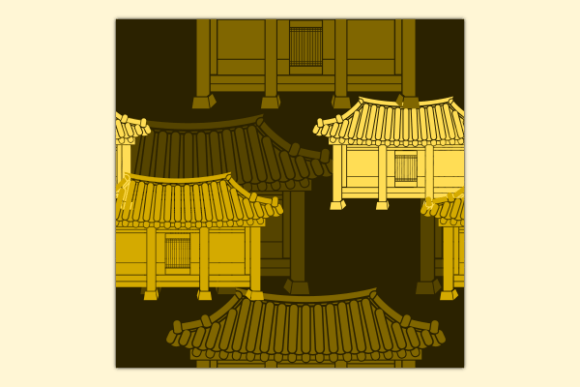
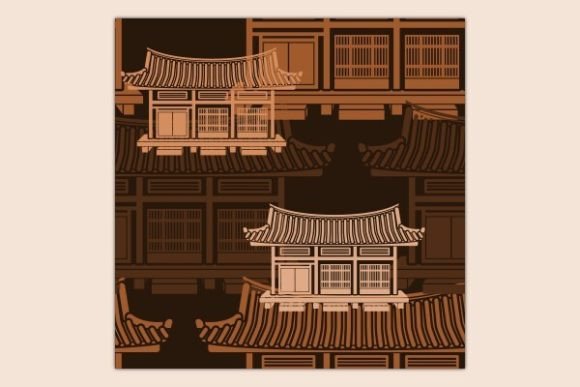
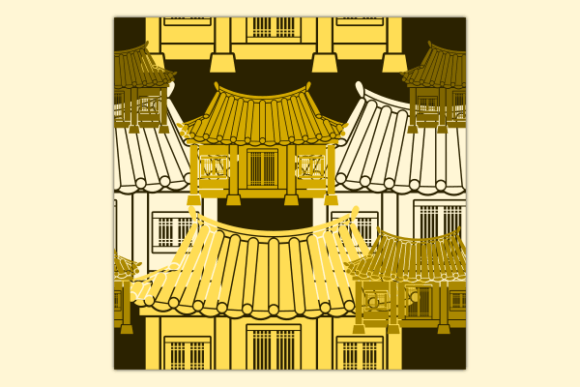
At first glance, the Dark Front Korean Hanok Seamless Pattern exudes a quiet, sophisticated elegance. Unlike many traditional patterns that rely on bright, festive colors, this design leans into shadow and silhouette. The front view of the Hanok creates a strong architectural rhythm that repeats seamlessly. For a designer looking to create something distinct in a crowded market, this mood is invaluable. It feels modern yet deeply rooted in heritage, making it perfect for custom apparel that needs to stand out without shouting.
The layout is clean, avoiding the clutter often found in complex Patterns. This simplicity is crucial when considering how the design will translate into stitches. When you look at the lines of the roof and the structural elements, you can immediately visualize how they would render as a combination of fill stitch and satin stitch. The dark background isn't just a void; it acts as a canvas that allows the lighter outlines of the house to pop, provided you choose your thread colors wisely.
A Real-World Test: The Premium Tote Bag Project
To truly understand the utility of this embroidery file, I imagined a specific project: a heavy-duty cotton tote bag for a boutique shop specializing in cultural home goods. The target customer is someone who appreciates minimalism and quality craftsmanship. In this scenario, the Dark Front Korean Hanok Seamless Pattern would serve as the main decorative element on the side panel or the entire back of the bag.
Here is where the practical evaluation begins. If I were stitching this onto a natural beige canvas tote, the contrast would be striking. However, because the pattern includes a "dark background," using it directly on light fabric requires a significant amount of underlay and fill stitch to block out the canvas. This increases the stitch density and production time. Conversely, if I used a charcoal gray or navy blue tote bag, the dark background of the pattern would blend seamlessly, allowing the white or cream outlines of the Hanok to emerge with minimal stitching. This makes it an excellent choice for commercial embroidery where efficiency matters.
Imagine holding this finished tote bag design in your hands. The texture created by the repeating houses adds a tactile dimension that a simple print cannot achieve. For an Etsy seller or a small shop owner, this tactile quality is a major selling point. Customers are willing to pay more for items that feel substantial and unique. The seamless nature of the pattern also means you aren't limited to a single motif; you can cover a large surface area, turning a standard accessory into a statement piece.
Navigating Fabric Challenges and Stitching Clarity
While the potential is high, there are specific scenarios where the Dark Front Korean Hanok Seamless Pattern requires careful handling. One critical factor is the hoop size. Because this is a seamless pattern intended for backgrounds, you need enough space to let the repetition breathe. Attempting to cram this design into a tiny 4x4 inch hoop might result in a fragmented look where the architectural details of the Hanok get lost. I would recommend testing the design on scrap fabric first to ensure the scale works for your specific machine and hoop setup.
Fabric texture is another variable. On a smooth cotton or linen, the running stitch and outline details will be sharp. However, on textured fabrics like fleece or thick denim, the intricate corners of the house roofs might lose definition. If you plan to use this for sweatshirt embroidery or aprons, you must consider the pile of the fabric. A dense fill stitch might flatten the texture too much, while a sparse stitch count might not cover the background adequately.
Furthermore, working with stretchy fabrics demands a high-quality stabilizer. The geometric lines of the Hanok are rigid; if the fabric stretches during stitching, those straight lines will warp, ruining the symmetry of the seamless pattern. Always test the tension and stabilizer combination before committing to a batch of personalized gifts or inventory.
Design Assets for Small Business Growth
For creative entrepreneurs, having versatile design assets is key to scaling a business. The fact that this is an editable SVG vector means you have control over the final output. You can adjust the spacing of the pattern to fit different product dimensions, whether it's a pillow cover, a tea towel, or even a cap (though curved surfaces require extra caution). This flexibility makes it a robust tool for creating a cohesive brand identity across multiple product lines.
Consider the application in holiday embroidery or seasonal collections. The traditional aesthetic of the Hanok fits perfectly with themes of heritage, home, and warmth. You could pair this embroidered patch style design with other cultural motifs to create a collection that tells a story. For digital product sellers, offering mockups of this pattern on various garments can drive engagement. A printable mockup showing the pattern on a cozy sweater or a nursery blanket helps buyers visualize the end result, increasing trust and conversion rates.
Practical Designer Notes for Success
If you decide to incorporate the Dark Front Korean Hanok Seamless Pattern into your workflow, keep these practical tips in mind:
- Check Licensing: Before selling any finished product or digital files, confirm the license terms. Ensure you are cleared for commercial use if you plan to sell items on platforms like Etsy or at craft fairs.
- Test Color Contrast: Since the design features a dark background, experiment with different thread combinations. Sometimes a slightly off-white or gold thread for the outlines looks more premium than stark white.
- Inspect Small Details: Zoom in on the vector file to check the complexity of the roof tiles and windows. If the lines are too thin, they may disappear in the stitchout. You might need to thicken certain paths before converting to an embroidery file.
- Mockup in Black and White: Before running the machine, view the design in grayscale. This helps you judge the value and contrast without being distracted by color, ensuring the pattern reads clearly.
- Stabilizer is Key: Do not skip the backing. For a dense background pattern, a tear-away or cut-away stabilizer is essential to prevent puckering, especially on custom apparel.
In conclusion, the Dark Front Korean Hanok Seamless Pattern is a sophisticated addition to any designer's library. It offers a unique visual language that bridges tradition and modern minimalism. While it requires attention to detail regarding fabric choice and stitch settings, the potential to create high-value, professional-looking products is immense. Whether you are crafting a one-of-a-kind personalized gift or stocking a boutique with small shop merchandise, this pattern provides the depth and character needed to make your work memorable.